

How UK Crypto Casino Operators Are Investing in Biogas and Renewable Energy Projects to Offset Their Carbon Footprint in 2026

I've spent the last few years watching the UK gambling industry wrestle with its environmental reputation, and 2026 feels like the year the conversation genuinely shifted from talk to action. Crypto casinos, in particular, have been under the microscope because of the energy-hungry nature of blockchain transactions. It's no longer enough for operators to buy a few carbon credits and call it a day. Players, regulators, and industry watchdogs want proof that these platforms are actually reducing their environmental impact. That pressure has pushed a growing number of UK-licensed operators toward direct investment in renewable infrastructure, with biogas emerging as one of the more interesting and pragmatic solutions on the table.
Why Crypto Casinos Face Growing Environmental Pressure
The scrutiny isn't coming out of nowhere. Cryptocurrency processing, especially anything tied to proof-of-work systems, has a well-documented energy appetite. When you layer that on top of the server farms needed to run live dealer games, odds engines, and 24/7 customer platforms, the carbon math starts looking uncomfortable pretty quickly.
The Energy Cost of Blockchain-Based Gambling
Every crypto transaction processed through a casino platform requires computational verification, and depending on the blockchain used, that verification can be electricity-intensive. Add in the data centres running around the clock to host thousands of concurrent players, and you get a footprint that's noticeably larger than a traditional fiat-only gambling site. Critics have been quick to point this out, and honestly, it's a fair criticism. Traditional casinos don't have to account for network validation costs the way crypto platforms do.
UK Regulatory and Consumer Expectations in 2026
The UK Gambling Commission has been steadily tightening its ESG-related guidance, encouraging operators to disclose environmental impact alongside the usual responsible gambling metrics. At the same time, players—especially younger, crypto-native ones—are asking harder questions about where their money goes and what footprint their favourite platform leaves behind. Brands that ignore this risk losing both licensing goodwill and customer loyalty.
The Rise of Renewable Energy Investment Among Operators
What's changed this year is the depth of commitment. Instead of purchasing offsets from anonymous carbon markets, several UK-facing operators are funding solar arrays, wind projects, and biogas plants directly. It's a shift from 'paying to feel better' toward 'building something that actually reduces emissions.' This matters because direct investment creates measurable, auditable outcomes rather than vague promises buried in a sustainability report nobody reads.
Biogas as a Strategic Offset Solution
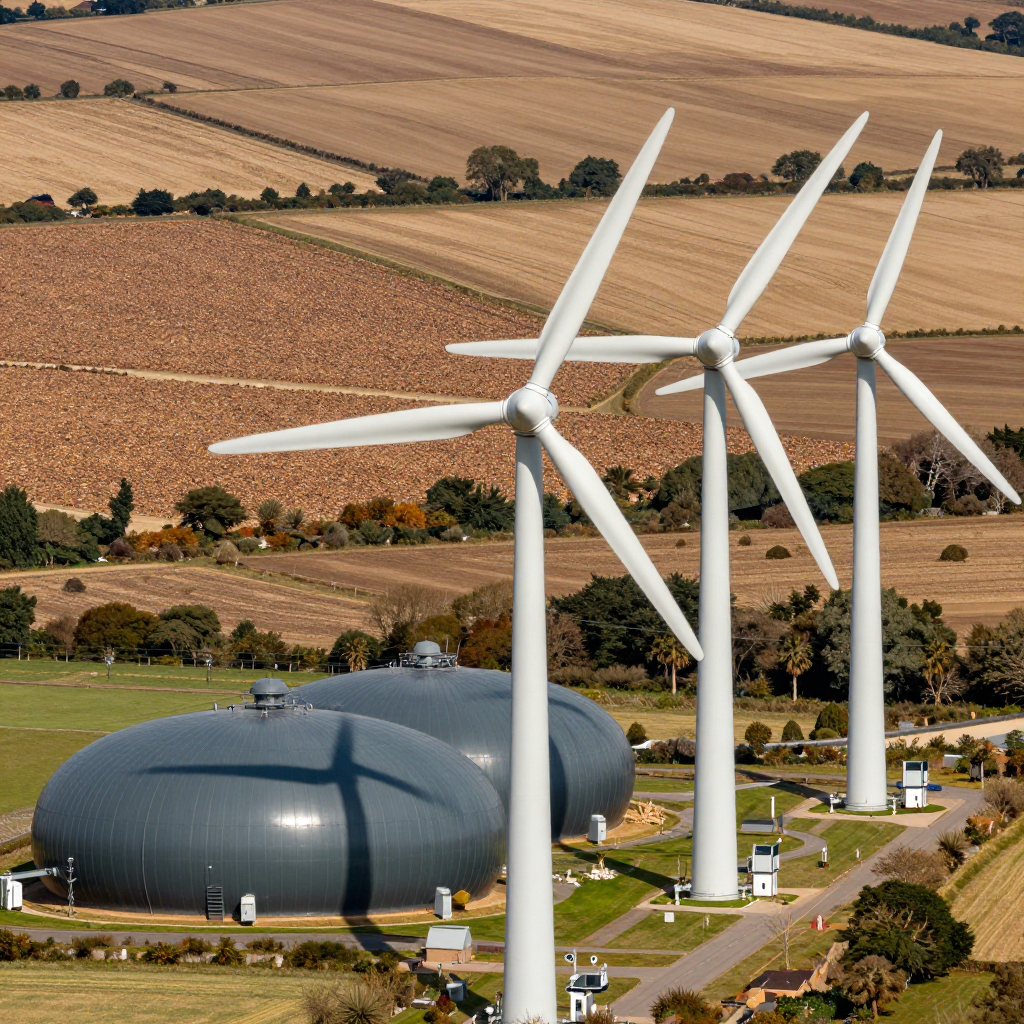
Biogas has quietly become one of the more attractive options for operators looking to put real money behind their green claims. In simple terms, biogas is produced when organic waste—think agricultural residue, food scraps, or manure—breaks down in the absence of oxygen, releasing methane that can be captured and converted into usable energy. It's not flashy like a wind turbine, but it's remarkably efficient and pairs well with the always-on energy demands of digital infrastructure.
I've noticed that when a UK crypto casino operator starts designing an offset programme, they tend to look for credible scientific grounding rather than just slapping a green badge on their homepage. That's where initiatives like micro4biogas.eu come into play—the project focuses on advancing micro-scale biogas technology across Europe, giving operators a research-backed reference point when structuring partnerships or evaluating which biogas ventures are worth funding. It's the kind of groundwork that separates a genuine sustainability strategy from a marketing exercise.
How Biogas Projects Work
Most biogas plants rely on anaerobic digestion, a process where microorganisms break down organic material in sealed tanks, producing methane-rich gas as a byproduct. Farm-based digesters are particularly common in the UK, converting livestock waste into energy that can feed directly into the national grid or power localised infrastructure, including the data centres that keep online gambling platforms running smoothly.
Case Studies — UK Crypto Casino Operators Leading the Way
A handful of illustrative examples show how this trend is playing out. One mid-sized UK crypto casino brand recently committed to funding a portion of a Yorkshire-based anaerobic digestion plant, with the energy output earmarked specifically for offsetting their server hosting emissions. Another operator partnered with a solar farm cooperative in East Anglia, structuring the deal so that a fixed percentage of player deposits contributes to expanding panel capacity. These aren't massive, headline-grabbing megaprojects—they're modest, targeted investments designed to produce verifiable carbon reduction numbers rather than abstract pledges.
Benefits of Renewable Investment for Operators and Players
The upside here is genuinely dual-sided. Operators get a smaller, more defensible carbon footprint, which increasingly matters when licences come up for renewal under stricter Gambling Commission scrutiny. Players, meanwhile, get the satisfaction of supporting a brand that isn't just paying lip service to sustainability. I think this trust factor is underrated—loyalty in the crypto gambling space is fragile, and demonstrable environmental commitment gives operators a meaningful point of differentiation in a crowded market.
Challenges and Criticisms of Green Claims in iGaming
None of this is immune to skepticism, and rightly so. 'Greenwashing' remains a real risk when operators make bold sustainability claims without third-party verification. It's genuinely difficult for the average player to confirm whether a stated biogas partnership is producing the claimed energy output or offsetting the promised emissions. Until independent auditing becomes standard practice across the sector, some of these claims will remain, at best, partially unverifiable. Transparent reporting standards need to catch up with the ambition operators are showing.
What's Next — The Future of Sustainable Crypto Gambling in the UK
Looking beyond 2026, I expect we'll see more formalised carbon-neutral licensing badges from regulators, alongside blockchain protocols specifically designed for lower energy consumption. Expanded biogas and renewable partnerships seem inevitable as the technology matures and costs continue to fall. The operators that get ahead of this now will likely be the ones setting the industry benchmark in a few years' time.
UK crypto casino operators have clearly moved past the era of token carbon offsetting. Direct investment in renewable energy—biogas in particular—represents a more honest, measurable approach to environmental responsibility. There's still work to do around transparency and verification, but the direction is encouraging. If this momentum holds, sustainable iGaming won't just be a marketing angle; it'll be a genuine operational standard.
Leave a Reply