

How UK Crypto Casinos Are Navigating 2026 Regulations: A Player's Guide to Safe, Licensed Bitcoin Gambling Sites
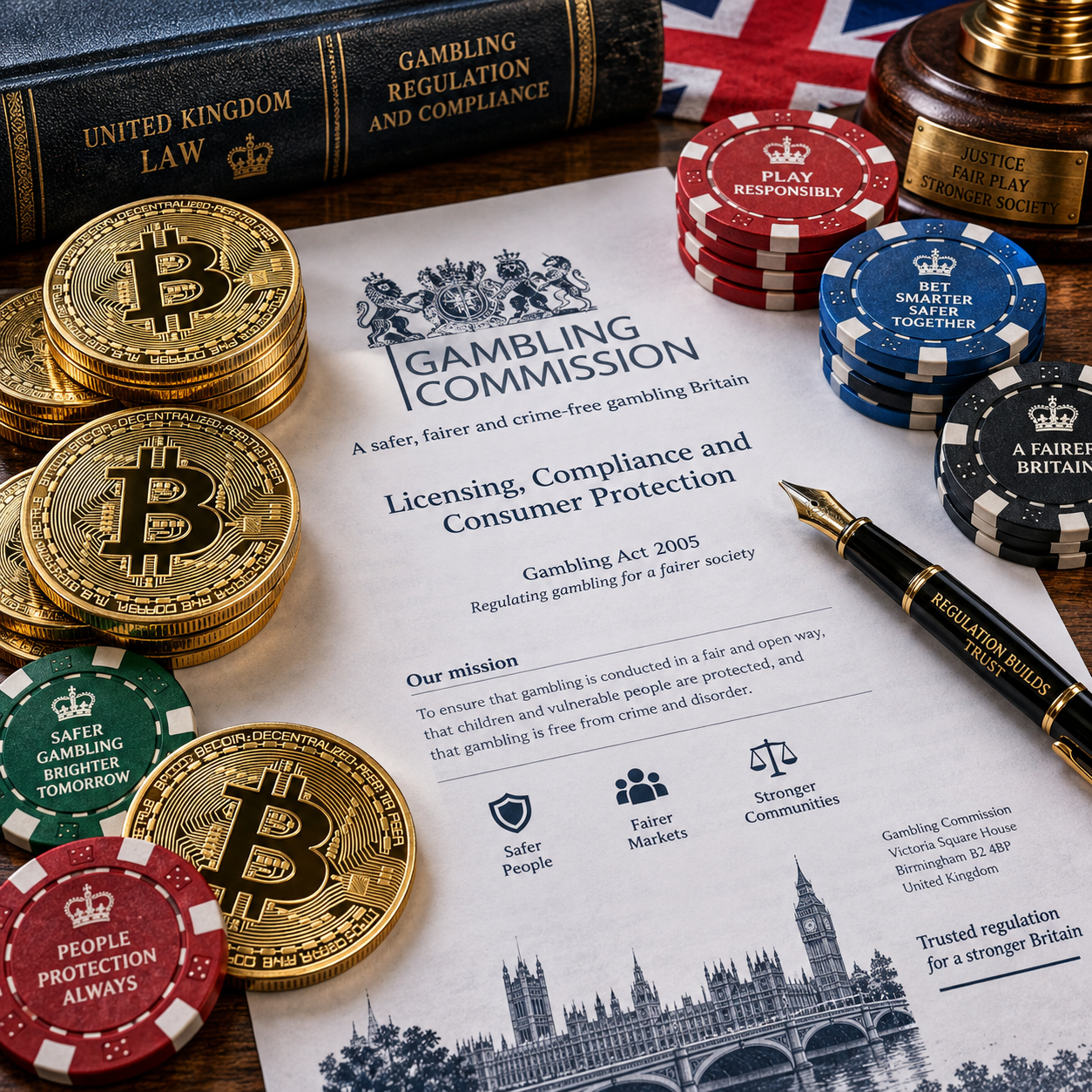
I've spent a good chunk of this year digging through Gambling Commission updates and swapping notes with UK punters who've made the jump to crypto betting. And honestly? 2026 feels like the year this whole thing finally settled into place. If you're a British player who's been eyeing Bitcoin or Ethereum at online casinos but holding back over legality, security, or the fear of getting scammed — you're not alone. This guide walks through what's actually changed, what's required now, and how to play it smart without getting burned.
The 2026 UK Crypto Gambling Landscape: What's Changed for Players
Let's start with the big picture, because it matters. For years, crypto gambling sat in this odd grey zone in the UK — not technically illegal, but rarely addressed head-on by licensed operators. Nobody wanted to touch it directly. That's changed, and it changed fast, over roughly the past eighteen months, as the Gambling Commission tightened its guidance on digital assets. It's been working alongside the FCA too, building clearer frameworks around crypto-to-fiat conversion, source-of-funds checks, and anti-money laundering compliance built specifically for blockchain transactions.
What that means in practice: UKGC-licensed operators now have an actual, legitimate pathway to offer crypto deposits and withdrawals — provided they meet tougher reporting standards. I remember when most 'crypto casinos' serving UK players were quietly running out of Curaçao or Malta with basically zero real UK oversight. That's shifting, and not slowly either. Regulatory clarity has pushed several established brands to formally build cryptocurrency payment rails into their platforms while staying fully compliant with British law. That's a genuine win if you want both innovation and some actual protection when things go sideways.
Understanding Licensed vs. Unlicensed Crypto Casinos in the UK
This is where things get serious, so pay attention. Not every site claiming to accept Bitcoin is playing by the rules. And the gap between a licensed and unlicensed platform isn't just paperwork — it's the difference between having legal recourse and having none at all if something goes wrong.
A genuinely licensed UK crypto casino displays its Gambling Commission licence number somewhere obvious, usually the footer, and you can verify it yourself on the UKGC's public register. Takes two minutes. Licensed operators are bound by strict rules around fund segregation, fair game auditing, and dispute resolution. Unlicensed offshore sites, on the other hand, might dangle flashy bonuses and near-instant crypto withdrawals in front of you — but if a dispute pops up over a big win or a frozen account, you've got essentially zero legal standing in the UK. None.
For anyone wanting to do their homework properly, I'd genuinely point you toward resources dedicated to tracking regulatory frameworks around crypto casinos, since these platforms tend to compile licensing data, jurisdictional differences, and player protection standards all in one spot. Saves you hours of digging through legal documents on your own.
Red Flags to Watch For When Choosing a Crypto Casino
A few warning signs I always flag for friends who ask:
- No visible UKGC licence number, or a licence that can't be verified on the official register
- Vague or contradictory terms and conditions, especially around withdrawal limits
- No mention of KYC (Know Your Customer) verification — this is a red flag, not a convenience, no matter what the marketing says
- Poor SSL security or an absence of provably fair game certifications
- Customer support that's unreachable or evasive the moment you ask about licensing
How Bitcoin and Cryptocurrency Transactions Work at Regulated UK Casinos
Once you've actually found a properly licensed site, the mechanics of using crypto are refreshingly simple. Most regulated operators support Bitcoin, Ethereum, and Litecoin these days, with more and more adding stablecoins like USDT for players who'd rather skip the volatility mid-session.
Deposits usually confirm within minutes, thanks to blockchain verification. Withdrawal times vary more, though, depending on the casino's internal review process — remember, even crypto withdrawals go through compliance checks at licensed sites. It's not instant just because it's crypto. Fees tend to run lower than traditional card payments since you're skipping a few banking intermediaries, though network congestion can push gas fees up occasionally, particularly with Ethereum.
KYC stays mandatory no matter what payment method you use. Don't be surprised if a licensed casino asks for ID verification even when you're depositing crypto — that's not the site being difficult, it's a legal requirement under UK anti-money laundering rules. Every licensed operator has to do it.

Tax Implications and Reporting Requirements for UK Crypto Gamblers
Here's something that trips people up constantly: gambling winnings themselves, whether in fiat or crypto, aren't taxed in the UK under current HMRC rules — gambling isn't classified as a trade. But here's the catch. Once you convert your crypto winnings to another cryptocurrency or cash out to GBP, capital gains tax can apply if the value of your holdings went up since you first received them.
My advice? Keep meticulous records — genuinely, don't skip this. Screenshot your deposit and withdrawal transactions, jot down the GBP value at the time of each conversion, and consider crypto tax software that plugs into UK reporting standards. Sounds tedious, I know. But it'll save you a massive headache if HMRC ever comes knocking with questions.
Player Protection Measures in 2026: What Licensed Crypto Casinos Must Provide
Licensed operators aren't just ticking boxes here — they're legally on the hook to provide real safeguards. That includes deposit limits you set yourself, mandatory self-exclusion tools (including the national GAMSTOP scheme), and clear, accessible dispute resolution through an approved Alternative Dispute Resolution provider.
What's newer in 2026 is the requirement for fund segregation specific to cryptocurrency holdings. Basically, your crypto balance has to stay separate from the operator's operational funds — protecting you in the unlikely event the casino runs into financial trouble. It's a subtle protection, sure, but a crucial one. Offshore sites almost never bother offering it.
Advantages of Using Crypto at UK-Licensed Casinos
Beyond the compliance angle, there are real perks to gambling with crypto at a properly regulated site. Transactions clear faster than traditional bank transfers. Fees run lower. And blockchain's built-in transparency means provably fair games let you actually verify the randomness of outcomes instead of just taking the house's word for it.
Plenty of licensed operators now roll out crypto-exclusive bonuses too — enhanced deposit matches, free spins reserved specifically for Bitcoin and Ethereum users, that sort of thing. It's a nice incentive layer traditional payment methods rarely match anymore.
Common Mistakes UK Players Make with Crypto Casinos (and How to Avoid Them)
The biggest mistake I still see, over and over? Players gravitating toward unlicensed sites purely because the bonuses look bigger, without checking regulatory status first. Other frequent slip-ups: skipping wallet security basics (use hardware wallets or reputable software wallets with two-factor authentication, seriously), misreading bonus wagering requirements, and not double-checking transaction confirmations on the blockchain before assuming a deposit's cleared.
The fix is straightforward, even if it's not exciting: verify licensing first, actually read the terms, secure your wallet properly, and keep transaction records. Not glamorous advice. But it works.
The Future of Crypto Gambling Regulation in the UK Beyond 2026
Looking ahead, I'd expect the Gambling Commission to keep refining its approach as Web3 technology matures further. NFT-based loyalty programs, decentralized casino platforms, smart contract-driven payouts — all of this is already being tested in other jurisdictions. It's probably only a matter of time before UK regulators put together formal guidance around these innovations too.
For players, staying informed matters more than ever, maybe more than most people realize. The regulatory groundwork laid in 2026 has made crypto gambling considerably safer and more transparent than it was even two years back, but the landscape's still evolving — it won't sit still. Sticking to licensed operators, understanding your tax obligations, and keeping your wallet security tight will serve you well no matter what comes next.
Leave a Reply