

How UK Crypto Gamblers Can Spot Legitimate Bitcoin Casinos: A 2026 Guide to Licensing, Fair Play, and Consumer Protection

I've spent a fair chunk of the past year buried in crypto gambling forums, licensing databases, and yes, more than a few player complaint threads than I'd like to admit. One thing keeps jumping out at me: UK players moving into crypto gambling in 2026 has exploded. But so has the number of shady operators trying to skim off that momentum. If faster payouts and lower fees have tempted you, you're not alone — and that same appeal has pulled in plenty of fly-by-night platforms happy to vanish with your deposit the second things go sideways.
This guide isn't here to talk you into gambling, or out of it. It's about handing you the tools to spot the difference between a properly regulated operation and something that just looks polished while sitting on sand underneath. I'll walk through licensing, what 'fair play' actually means once you put it on a blockchain, and which watchdogs genuinely have your back when a dispute lands on your doorstep.
The Rise of Bitcoin Casinos in the UK Market
It's not exactly a mystery why Bitcoin casinos have caught on here. Traditional online gambling sites can take days to process a withdrawal, tack on conversion fees, and demand a mountain of personal banking details before you see a penny. Crypto flips that script — transactions settle in minutes, fees stay minimal, and a growing number of platforms now run provably fair systems that let you check, for yourself, that a game wasn't rigged.
The regulatory picture has shifted noticeably this year, too. The UK Gambling Commission has tightened how crypto-friendly operators can market themselves to British residents, and several offshore regulators followed suit with stricter audit requirements. Good news, mostly. But it also means doing your homework matters more than ever — plenty of sites still operate in grey zones, chasing UK traffic without proper authorization.
Why Crypto Gambling Appeals to UK Players
Talk to anyone who's made the switch and the same reasons keep coming up:
- Faster withdrawals — often within the hour rather than 3-5 business days
- Greater privacy, since you're not linking a debit card to every transaction
- Lower cross-border fees, especially useful if you're using platforms based outside the UK
- Provably fair game mechanics that let you cryptographically verify outcomes
None of that makes the risk disappear, though. It just changes shape.
Understanding UK Gambling Licensing Requirements
This is where most players trip up. A UK Gambling Commission (UKGC) license is the gold standard for any operator actively courting British customers. It comes bundled with strict requirements around fund segregation, responsible gambling tools, and dispute resolution. If a Bitcoin casino accepts UK players but doesn't hold a UKGC license — that's already a red flag worth taking seriously, not brushing off.
That said, plenty of legitimate operators run on offshore licenses instead. Malta Gaming Authority (MGA) licenses are generally well-regarded, with solid auditing standards behind them. Curacao licenses are a different story — quality swings wildly. Some Curacao-licensed operators are perfectly reputable; others treat the license as little more than a badge, with barely any actual oversight sitting behind it.
How to Verify a Casino's License
Don't take the logo in the footer at face value. Here's what I actually do before depositing a single satoshi anywhere:
- Copy the license number and search it directly on the regulator's official database (UKGC, MGA, or the relevant Curacao registry)
- Confirm the operator name on the license matches the casino's registered business name exactly
- Check the license status — active, suspended, or revoked
- Be suspicious of licenses that can't be independently verified or link to a broken, dead regulator page
Fair Play Standards and Provably Fair Technology
One genuinely solid advantage Bitcoin casinos hold over traditional ones is provably fair technology. In plain terms, it means every game round spits out a cryptographic hash you can verify afterward, confirming the outcome wasn't tampered with. Not marketing fluff — actual math you can check yourself, using third-party verification tools, no trust required.
Legitimate operators publish their seed values and hashing algorithms openly. Plenty also submit to independent audits from firms like iTech Labs or eCOGRA, on top of the blockchain verification itself. When both exist together, that's about as close to a fairness guarantee as you'll find anywhere in online gambling.
Red Flags of Unfair Gaming Practices
Keep an eye out for these warning signs:
- No option to verify game hashes or seeds after a round completes
- Vague or refused answers when asked about house edge percentages
- Absence of any third-party RNG or fairness audit certificates
- Games that feel 'off' — unusually long losing streaks reported consistently across player communities
Consumer Protection Bodies and Independent Watchdogs
Licensing and fairness tech only get you so far. You still need to know who's actually holding operators accountable when something goes wrong. In the UK, GamCare and the Independent Betting Adjudication Service (IBAS) handle disputes and responsible gambling support. For crypto-specific concerns, a few blockchain gaming communities have set up their own watchdog forums — credibility on those varies quite a bit, so tread carefully.
It's worth glancing at accountability frameworks from broader consumer protection contexts too. Organizations like the International Public Accountability Council, found at bitcoin casinos, focus on transparency and governance standards that, while not gambling-specific, reflect the same principles a legitimate operator should be living by — clear reporting, independent oversight, and accountability to the people they actually serve. Any Bitcoin casino worth your deposit should carry that same spirit, even without any direct affiliation to bodies like this one.
How to File a Complaint or Dispute
If you feel you've been treated unfairly, here's the practical path forward:
- Contact the casino's support team first and get everything in writing
- If unresolved, escalate to the licensing authority listed on the casino's site (UKGC or MGA typically run formal complaint portals)
- Use IBAS for independent mediation if the operator is UK-licensed and the dispute stays unresolved
- Document every step — screenshots, transaction hashes, and timestamps matter enormously in crypto disputes
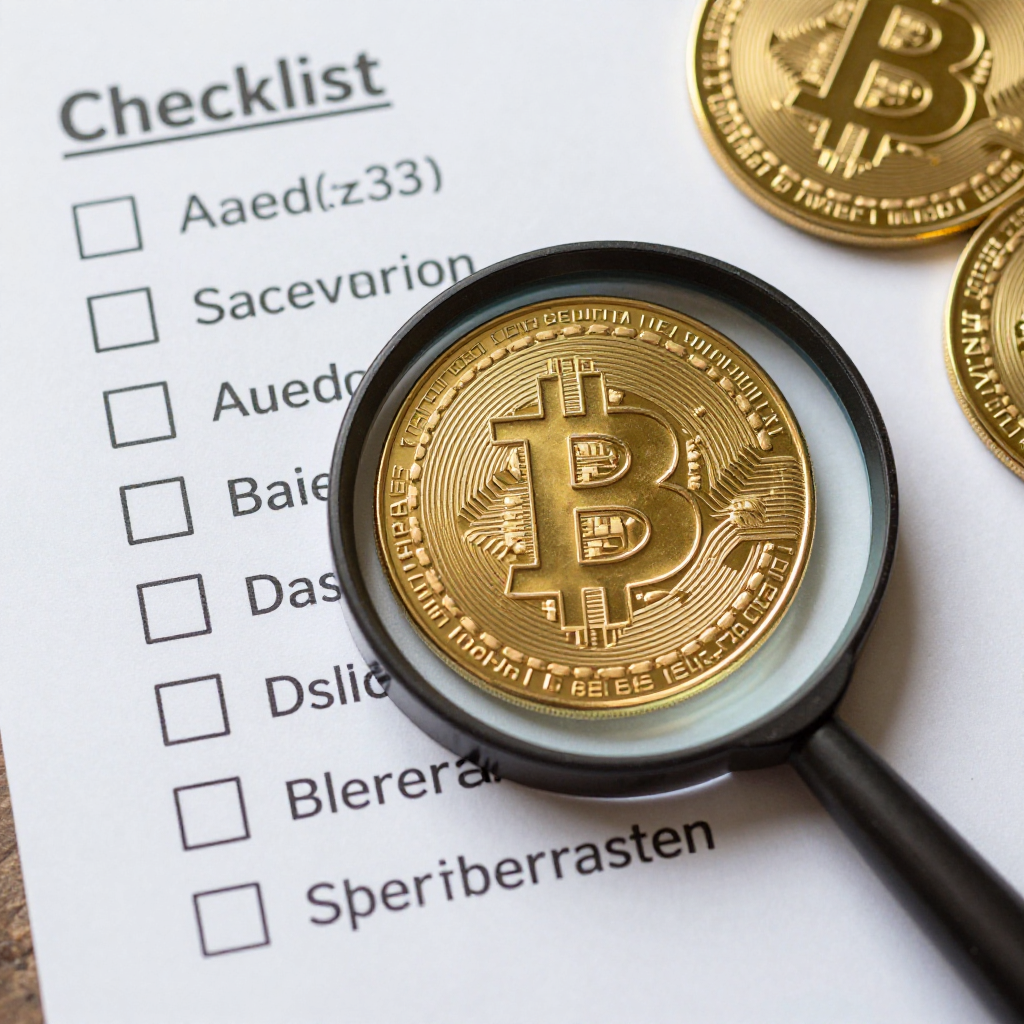
Practical Checklist Before Depositing Crypto
Before you send a single satoshi, run through this:
- Verified, active license confirmed directly on the regulator's database
- SSL encryption visible on all deposit and withdrawal pages
- KYC/AML procedures in place (yes, even crypto casinos should ask for ID above certain thresholds)
- Transparent terms — wagering requirements and withdrawal limits clearly stated, not buried in fine print
- Responsible gambling tools available — deposit limits, self-exclusion, cooling-off periods
- Genuine community reviews across multiple independent platforms, not just testimonials sitting on the casino's own site
Common Mistakes UK Crypto Gamblers Make
I've made a couple of these myself early on, so this comes without judgment. People often skip reading wagering requirements entirely, assuming a bonus is 'free money' when it's actually locked behind a 40x playthrough. Others trust glowing reviews without checking whether they're paid placements. And far too many players deposit first, then go hunting for the terms and conditions afterward — by which point, if something's off, it's already too late.
Take the ten minutes upfront. It saves you the headache later. Every time.
Legitimacy in this space really boils down to three things working together: a verifiable license, fairness you can check yourself instead of taking on faith, and accountability structures that actually back you up when things go sideways. As the crypto gambling market keeps evolving through 2026, the operators worth your time are the ones that make all three easy to confirm — not the ones hiding behind flashy design and vague promises. Run through the checklist, trust the due diligence you've put in, and you'll be in a far better spot to enjoy this space without getting burned.
Leave a Reply